← All essays
The World of the Novel
Why Priestly Shepherds? The Temple Flocks of Bethlehem
The shepherds in this story are not an afterthought — their work stood at the center of worship.
By Rob Bohning · Behind the Story
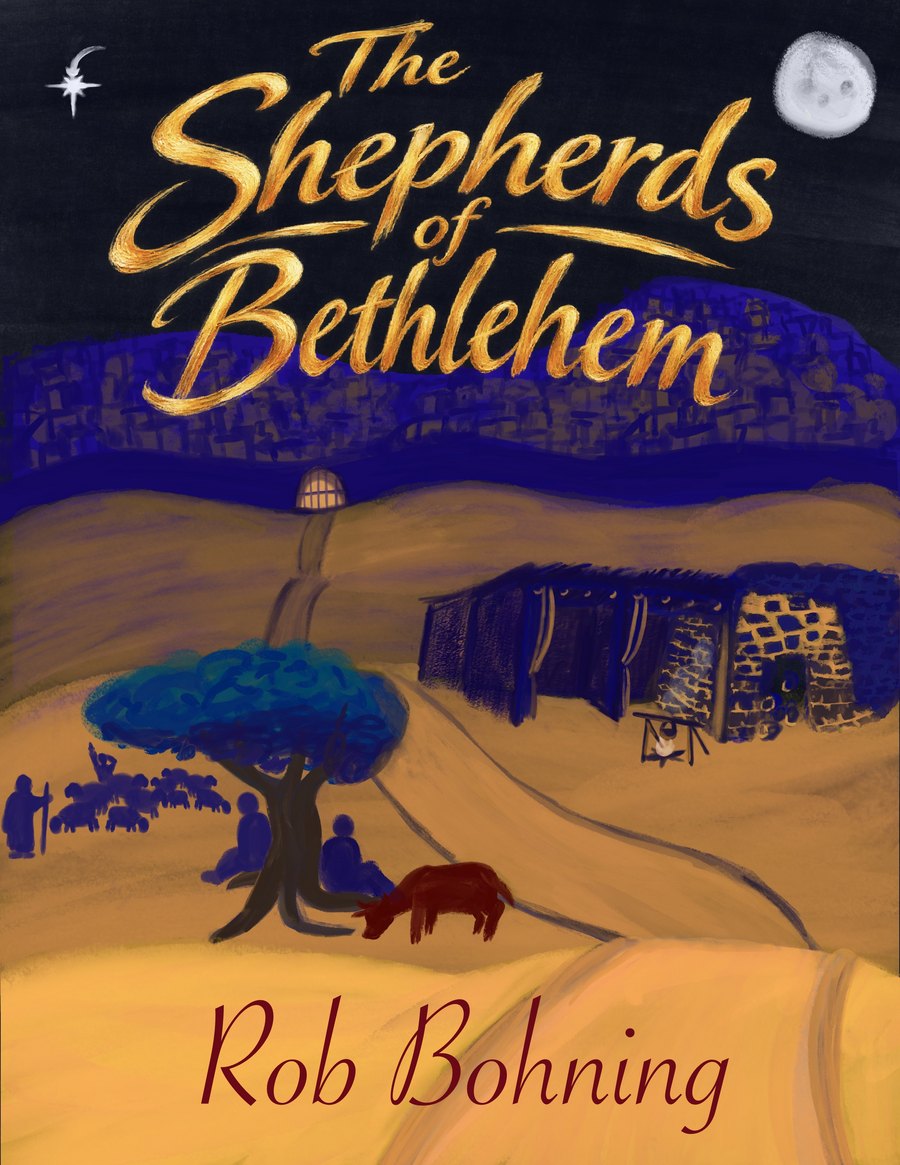
Readers sometimes ask why The Shepherds of Bethlehem makes its shepherds priestly, and why it matters that they raise unblemished sacrificial animals. The back-cover summary puts it plainly: four priestly shepherds “faithfully raised unblemished sacrificial animals necessary for the Jews to bring acceptable offerings to Adonai.” That single sentence shapes the whole novel.
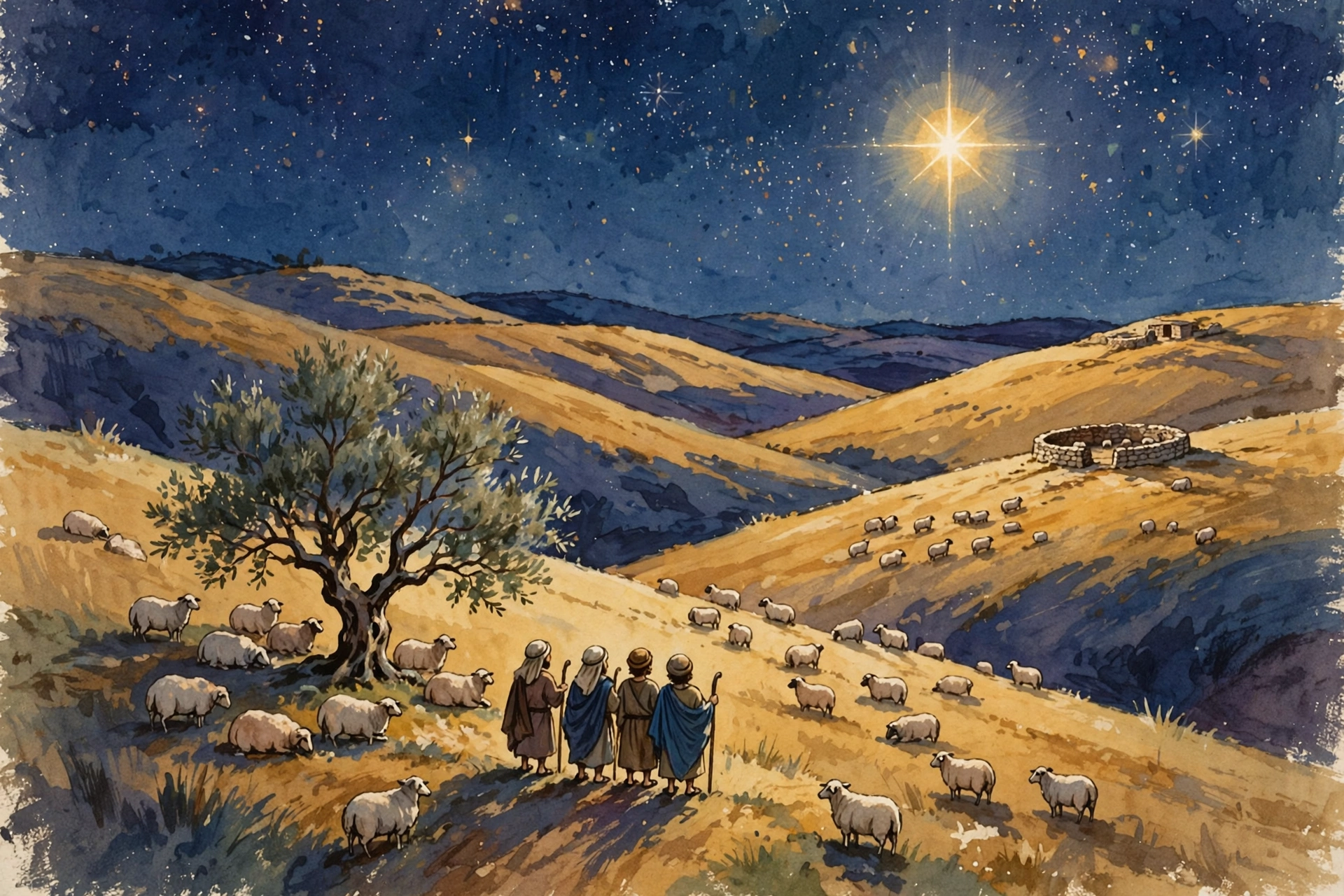
Bethlehem sits only a short distance south of Jerusalem. In a world where offerings were brought to the Temple day after day, the hills around Bethlehem were not remote in the way we often imagine. They were working pastures in the orbit of the Temple — close enough for flocks, close enough for news, and close enough for danger when Herod felt threatened.
To raise an unblemished lamb is slow, attentive work. It means watching for injury, protecting the flock through the night, and knowing each animal well. The novel leans into that contrast: while Zealots fought the Romans and Sadducees negotiated to rule the Temple, these young men did the unglamorous, faithful work that made other people’s worship possible.
That is also why they make such fitting first witnesses. The story’s claim is not that God chose the powerful or the well-connected, but that men formed by quiet faithfulness — men who had spent their lives preparing offerings for others — were ready to recognize something extraordinary when it came. Their preparation was their pasture.
If you read the novel, watch for how often tending, guarding, and waiting blur together for Reuben, Shimshon, Levi, and Zeke. In their world, shepherding was never just a job. It was a form of expectation.